

Creatine is the most popular nutritional ergogenic aid currently used in sport, traditionally in sports needing explosive power. But is this its only use?
What is Creatine?
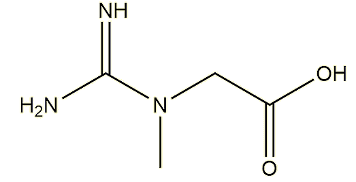
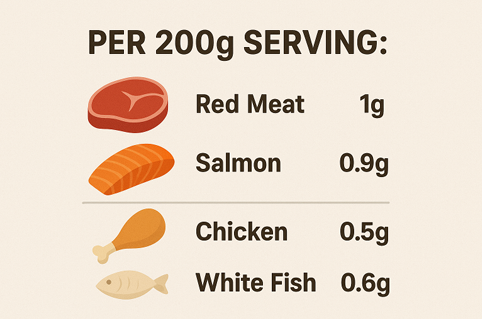
Creatine is a naturally occurring, non-protein amino acid mainly found in red meat and seafood;
not in milk, eggs or plants. It’s mostly stored in muscle (95%), with the remaining 5% found in
the brain, liver, kidneys and testes.
Creatine is a naturally occurring compound and helps our cells produce energy. It is a vital
component in the ATP-CP system, the fastest, most powerful energy system in our bodies. The
supplement works by helping the body make ATP, the energy source for both muscles and the
brain. The creatine compound is synthesised from L-Arginine and glycine in the kidney and liver
to produce ATP (energy). It also supports neuronal energy metabolism, reducing oxidative stress
and enhancing synaptic elasticity. Athletes feel better on it for workouts as it can reduce fatigue
and aid in recovery.
Away from the gym there is a growing, but still relatively limited, body of evidence to suggest creatine can improve mental function in states of stress or low energy, and can help with our short term memory, mood and focus. A recent study in 2025 (4) looked at creatine supplementation in pre and post-menopausal women, and showed increased body strength, positive improvements in sleep quality as well as improvements in cognitive scores. Remarkably, one-third of postmenopausal participants with mild cognitive impairment improved enough to return to normal ranges, a change researchers called clinically significant. Another study (3) looked at creatine supplementation and sleep deprivation. Following 24hours of sleep deprivation, creatine supplementation had a positive effect on mood state as well as tasks that place a heavy stress on the prefrontal cortex, offsetting the effects of sleep deprivation.
Summary of Benefits:
| Category | Benefit | Details |
| Sport | Strength & Power | Increases by 8–14%. |
| Sprint Performance | Improves short-duration, high-intensity efforts. | |
| Endurance | Indirect improvements by enhancing training capacity and glycogen stores. | |
| Recovery | May reduce muscle cell damage, inflammation, and post-exercise soreness (DOMS). Associated with lower injury rates | |
| Brain Injury Recovery (Rugby Research) | Creatine amplifies exercise signalling and increases intracellular fluid uptake. After head injury, brain creatine rises, supplementation may support recovery | |
| Brain Health | Neuroprotection | Enhances mitochondrial function, reduces oxidative stress, and improves ATP availability. May preserve neuronal integrity in neurodegenerative conditions (limited studies). |
| Cognitive Function | Improves memory recall and reaction time, especially under stress (e.g., poor sleep) or in vegans | |
| Parkinson’s Disease | 8 g/day for 16 weeks showed improvements in motor symptoms | |
| Mental Health & Depression | 5 g/day may enhance mood and cognitive flexibility in some individuals | |
| General Cognition | May reduce “brain fog,” though more research is needed | |
| Menopause | General Symptoms | 5 g/day may improve fatigue, brain fog, and emotional instability |
| Muscle & Bone Health | May prevent sarcopenia in women over 50. Combined with strength training, improves muscle strength and lean mass | |
| Pregnancy | Increased Demand*Supplementation Caution | Creatine demand rises due to fetal, placental, and maternal tissue growth.*Human studies using creatine supps in pregnancy are limited and no established guidelines exist so should be used with caution |
What about side effects?
Currently, known side effects are the risk of stomach upset, muscle cramps and bloating. Creatine supplementation requires extra water intake which can contribute to the bloating feeling and slight weight gain (0.5-2kg depending on dosage). People with conditions affecting their kidneys should consult a doctor before taking it.
Absorption of creatine:
Creatine is best absorbed when ingested with carbohydrates, a protein and water. This is because when creatine is ingested with a carb and a protein you stimulate insulin production which enhances creatine transport which mediates better uptake of creatine into the muscle. If ingested with 50g or more carbs, you increase muscle creatine retention by 60%. Creatine is also hydroscopic which means it needs more water to ensure absorption and thus prevent dehydration. The best time to take creatine is AFTER exercise as this may enhance creatin uptake due to increased blood flow. It is interesting to note that caffeine may counteract creatine’s benefit in muscle power thus blunting performance gains from the creatine, however more studies are needed.
Creatine supplementation:
There are many different forms of creatine on the market. The most common is Creatine Monohydrate. You can also get Creatine HCL, which requires lower dosages due to better absorption and less bloating. This is the form most recommended for brain heath.
How much is enough? Dosage guidelines:
The amount needed depends on your individual needs and diet. Vegetarians and Vegans have lower baseline creatine levels in muscles and are greater responders to creatine supplementation. The recommendations are that individuals should consume about 3 g/day of creatine as a supplement particularly over 50years when muscle wasting is more prevalent. Larger athletes doing high intense training may need 5-10g/d to maintain saturated creatine stores. For faster muscle saturation, a loading phase is recommended which requires 0.3g/kg for 5-7 days (20g/d split into 3-4 doses), but this is not essential and muscle saturation will still occur with the standard dose. In normal circumstances one follows a maintenance phase protocol which requires 0.03g/kg or 3-5g/d without loading to gradually saturate the system. After creatine supplementation stops it takes around 4-6 weeks to reach baseline again.
Food sources of Creatine:
Safety:
In the last five years there have been no studies that have shown any adverse effects of ingesting up to 30g of creatine a day. Only side effects of discomfort and bloating have been well reported. A common misconception of creatine is that is it an anabolic steroid. This is FALSE. Creatine will not alter hormone levels and has been approved by WADA ( The World Antidoping Association). Since 2022, it has also been approved for older children and adolescence however, blood markers do need to be monitored and it’s generally not recommended for children without supervision. It is also important to remember as adults to undergo certain monitoring whilst taking creatine. Keeping an eye on your kidney function, serum creatinine, electrolytes, GFR, LFT’s and cystatin C is required with the help of a GP.
One needs to be reminded that although supplementation with creatine is very popular, it is not a golden ticket, and food choices and lifestyle habits always come first.
” Creatine has become so big, you feel that if you are not using it, you are kind of losing out” says Dr Henry Chung, a lecturer in sport and exercise science at the University of Essex.
References:
- PMCID: PMC5469049
International Society of Sports Nutrition position stand: safety and eQicacy of creatine supplementation in exercise, sport, and medicine
- PMID: 28615996
The eQects of creatine supplementation on cognitive function in adults: a systematic review and meta-analysis
- PMID: 16416332
EQect of creatine supplementation and sleep deprivation, with mild exercise, on cognitive and psychomotor performance, mood state, and plasma concentrations of catecholamines and cortisol
- PMCID: PMC12291186
Impact of creatine supplementation on menopausal women’s body composition, cognition, estrogen, strength, and sleep


